
What are the characteristics of PVC gloves, latex gloves, and nitrile gloves?
PVC, latex, and nitrile gloves are currently the mainstream protective gloves on the market, with a wide range of applications, and most of the industry practitioners are using these protective gloves. Of course, due to differences in technology, material, design, etc., their protective performance is also different.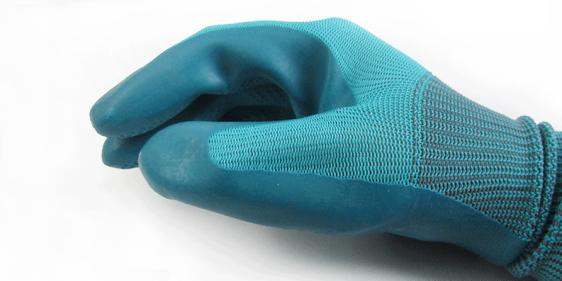
We simply compare the tensile strength and characteristics of these types of gloves to teach you how to quickly select the gloves suitable for your industry:
First, let's look at the tensile strength of PVC, latex, and nitrile gloves.
Tensile strength refers to the maximum stress that a material can withstand before it breaks. For gloves, its tensile strength represents the resistance to maximum uniform deformation, and it also represents the ultimate load-bearing capacity under static tension, in N/ mm2(Mpa)。
gloves | PVC gloves | Latex gloves | Nitrile gloves |
tensile strength | Min.12 | Min.14 | Min.18 |
The figure above is the comparative data of the tensile strength of PVC, latex, and nitrile gloves in a normal environment without aging.
It can be seen from the figure that latex gloves have the best tensile strength, followed by nitrile, and PVC gloves are the worst. That is to say, in the same environment, latex gloves need more force to be torn.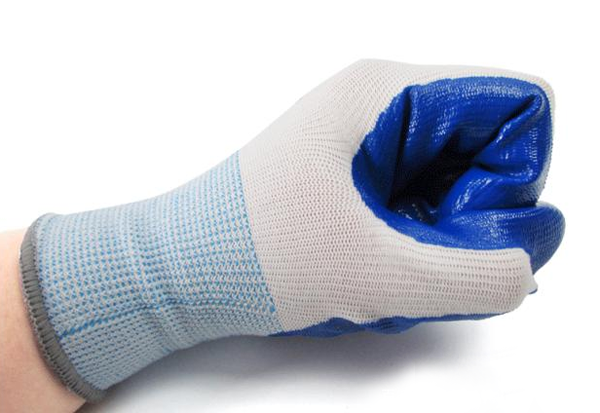
However, the best tensile strength does not mean that the protective performance of latex gloves is the best. The protective performance of gloves must also consider comfort, sensitivity, and durability.
Next, let's take a look at the comprehensive characteristics of disposable PVC, latex, and nitrile gloves:
Glove characteristics comparison | |||
name | PVC gloves | Latex gloves | Nitrile gloves |
tensile strength | Min.12 | Min.14 | Min.18 |
Comfort | Good | Good | generally |
Durability | Good | better | Good |
elasticity | Excellent | Good | Difference |
Silicone oil and oxide | Low | Extremely low | generally |
Ion content | generally | Extremely low | generally |
cost | high | generally | Low |
Backwashability | Poor | Good | No backwash |
Human safety | Allergic | Free of allergens | Free of allergens |
Anti-static performance | without | Good | without |
It can be seen that latex gloves and nitrile gloves are better for comfort; nitrile gloves are better for durability; latex gloves are better for elasticity; PVC gloves are less expensive; and nitrile gloves are better for antistatic. Nitrile gloves From the comparison of the tensile strength and characteristics of PVC, latex, and nitrile gloves, each type of glove has its own advantages and disadvantages. Friends in need can choose according to their own industry.
Send Inquiry
Previous:A Guide to Bike Phone Holders
Send Inquiry

X
We use cookies to offer you a better browsing experience, analyze site traffic and personalize content. By using this site, you agree to our use of cookies.
Privacy Policy